
How to Choose the Best AI Advertising Tools in 2026
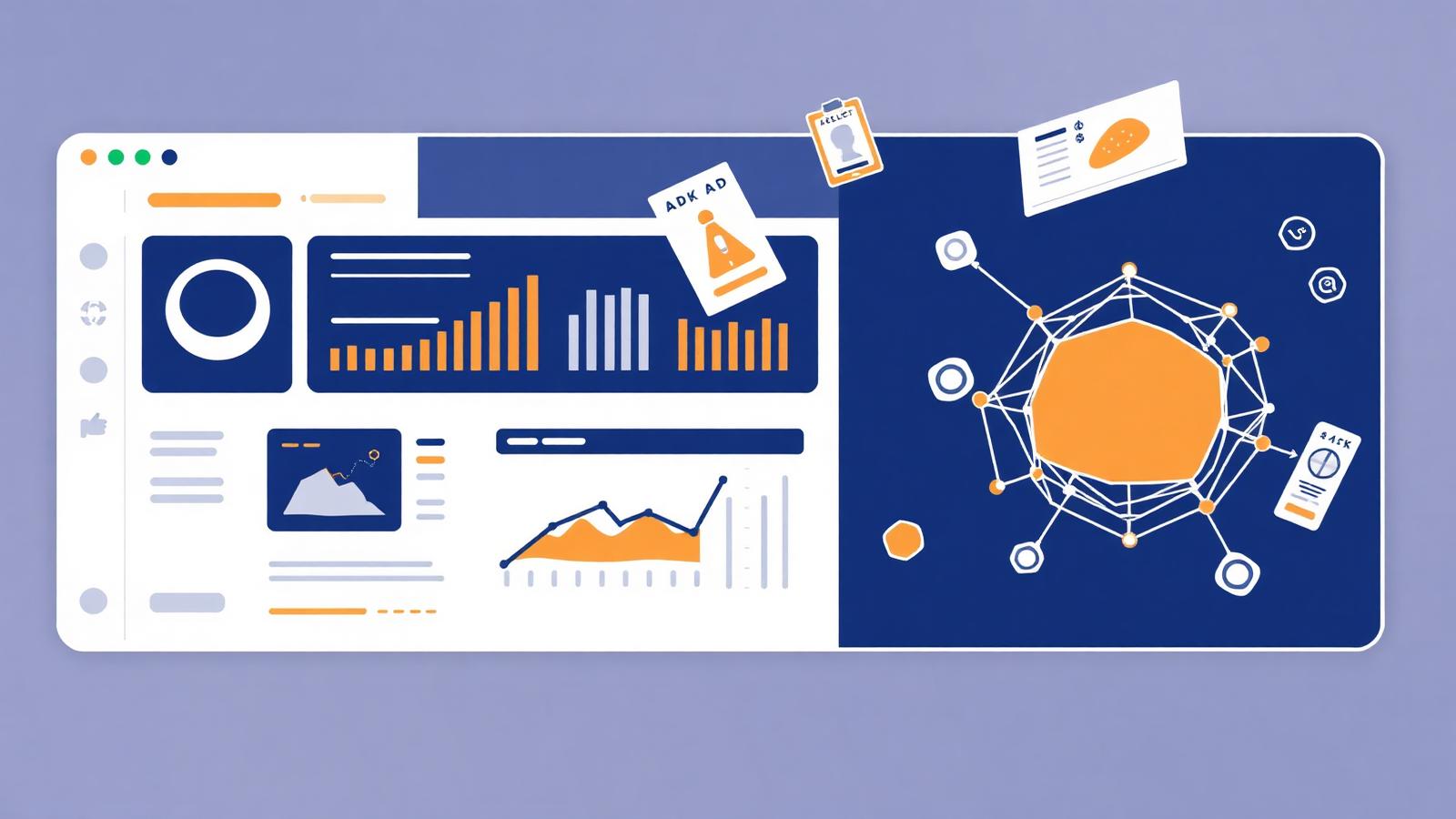
AI advertising tools are becoming a bigger part of how businesses plan, create, launch, and measure paid campaigns.
For many companies, the challenge is no longer whether AI can help with advertising. The challenge is choosing the right tool for the right job.
Some platforms focus on ad creative. Others help with audience targeting, campaign optimization, media buying, analytics, copywriting, or full-funnel performance. Some are built for small businesses. Others are designed for agencies, enterprise marketing teams, e-commerce brands, or performance advertisers managing larger budgets.
That makes the buying decision more important. The best AI Advertising Tools are not always the most advanced platforms or the ones with the most features. The right tool is the one that fits the company's goals, workflow, budget, data needs, and advertising strategy.
Why Choosing the Right AI Advertising Tool Matters
Advertising has always involved testing, measurement, and optimization. AI can make those processes faster, but it can also make them more complicated if the wrong tool is selected.
A business that mainly needs better ad copy may not need a full campaign automation platform. A company that spends heavily across Google, Meta, LinkedIn, and TikTok may need deeper reporting and budget optimization. An agency may need collaboration tools, approval workflows, and multi-client management. An e-commerce brand may care most about product feeds, creative testing, and return on ad spend.
Choosing the wrong tool can lead to wasted time, poor adoption, disconnected workflows, and advertising decisions that are hard to explain or measure.
The right tool should make the advertising process clearer, not more confusing.
Start With the Advertising Problem You Need to Solve
Before comparing AI advertising platforms, businesses should identify the specific problem they are trying to solve.
Common goals include:
- Creating more ad variations
- Improving ad copy and messaging
- Testing creative faster
- Managing campaign performance
- Identifying stronger audience segments
- Improving reporting and attribution
- Reducing manual campaign work
- Supporting paid search or paid social teams
- Helping smaller teams operate more efficiently
A company should avoid choosing a tool simply because it uses AI. The better question is: What part of the advertising process needs to improve first?
For one business, that may be creative production. For another, it may be campaign analysis. For another, it may be finding better ways to manage spend across multiple channels.
Match the Tool to the Use Case
AI advertising tools can support different parts of the marketing workflow. Understanding the use case helps narrow the field.
Ad Creative and Copy Generation
Some AI tools help create headlines, descriptions, display ad copy, social ad variations, video scripts, landing page messages, or image concepts. These tools can be useful for teams that need more creative options without starting from scratch each time.
The best tools in this area should support brand voice, campaign goals, audience segments, and platform-specific formatting.
Campaign Optimization
Some platforms use AI to help monitor campaign performance and recommend budget, bidding, targeting, or creative adjustments. These tools may be useful for teams managing active paid campaigns across search, social, display, or e-commerce channels.
Businesses should look for tools that explain their recommendations clearly. Automation is useful, but marketing teams still need visibility into why changes are being suggested.
Audience Targeting and Segmentation
AI can help analyze customer behavior, campaign data, and audience patterns. Some tools focus on identifying audience groups, predicting buyer intent, or helping advertisers refine who they target.
This can be valuable, but it also requires careful attention to data sources, privacy rules, and platform policies.
Reporting and Performance Measurement
Many advertisers struggle with scattered reporting. AI advertising tools can help summarize campaign performance, identify patterns, highlight problems, and generate easier-to-understand reports.
For business owners and marketing leaders, this may be one of the most useful applications of AI. The tool should help explain what is happening, what changed, and what actions may be worth considering.
Media Buying and Budget Management
Some AI platforms are built to help manage advertising spend across channels. These tools may recommend where to shift budget, which campaigns need attention, and which channels are producing stronger results.
This type of tool can be valuable for larger advertisers, agencies, or teams managing multiple campaigns at once.
Compare the Core Features
Once the business use case is clear, the next step is comparing features. Important features may include:
- Ad copy generation
- Creative testing
- Campaign recommendations
- Budget optimization
- Audience insights
- Multi-channel campaign support
- Reporting dashboards
- Integration with ad platforms
- Approval workflows
- Brand voice controls
- Team collaboration
- Analytics and attribution support
- AI-generated recommendations
- Human review and editing controls
The best tool is not always the one with the longest feature list. A focused tool that solves one important problem well may be more useful than a larger platform that tries to do everything.
Look at Workflow Fit
A tool may look impressive during a demo but still fail if it does not fit the way the team actually works.
Businesses should ask:
- Does the tool connect with the platforms we already use?
- Does it support Google Ads, Meta Ads, LinkedIn, TikTok, Shopify, HubSpot, Salesforce, or our analytics tools?
- Can our team review and approve AI-generated work?
- Does it support multiple users or clients?
- Does it fit our current campaign process?
- Will it save time, or will it create another system to manage?
Workflow fit matters because advertising teams are already managing deadlines, budgets, creative reviews, reporting, and performance pressure. A good AI advertising tool should reduce friction instead of adding more.
Review Data, Privacy, and Control
Advertising often involves customer data, audience data, conversion tracking, campaign performance, and business-sensitive information. That makes privacy and control important.
Before choosing an AI advertising tool, businesses should understand:
- What data the tool accesses
- Whether customer or campaign data is used to train models
- How data is stored
- What permissions the tool requires
- Whether users can control automation settings
- How recommendations are generated
- Whether human approval is required before changes go live
This is especially important for companies in regulated industries, agencies managing client data, or businesses with strict privacy standards.
AI can be useful in advertising, but companies should still understand what the tool is doing and what level of control they retain.
Understand Pricing and Implementation
AI advertising tools can vary widely in pricing and setup. Some are self-serve tools with monthly subscriptions. Some are priced by user, campaign, account, ad spend, or usage volume. Others are enterprise platforms that require onboarding, custom setup, or annual contracts.
Before committing, businesses should ask:
- Is pricing based on seats, usage, spend, or features?
- Is there a free trial or demo?
- Are important features locked behind higher plans?
- Does the tool require setup or onboarding?
- Will the company need outside help to implement it?
- How long will it take before the tool creates measurable value?
A lower-cost tool may be enough for a small team that needs creative support. A more advanced platform may make sense for a business spending heavily on paid media. The right choice depends on the expected return, not just the monthly cost.
Test Before Making a Long-Term Commitment
AI advertising tools should be tested before becoming part of a company's core marketing process.
A good test should have a clear goal. For example:
- Create 20 ad variations and compare performance
- Reduce reporting time by 50 percent
- Improve campaign review speed
- Identify underperforming ads faster
- Improve creative testing workflow
- Support one product launch or campaign cycle
Testing helps a business determine whether the tool is actually useful in practice. It also gives the team a chance to see whether the AI output is accurate, helpful, easy to edit, and aligned with the brand.
Common Mistakes to Avoid
One common mistake is choosing an AI advertising tool before defining the advertising problem.
Another mistake is relying too heavily on automation without understanding the recommendations being made. AI can support better decisions, but advertising still requires judgment, strategy, and context.
Businesses should also avoid choosing a tool only because it produces impressive demos. A good demo does not always mean the platform will fit daily workflows.
Other mistakes include:
- Ignoring integrations
- Overlooking privacy and data controls
- Choosing too many overlapping tools
- Failing to involve the people who will actually use the platform
- Measuring success too vaguely
- Expecting AI to replace advertising strategy completely
AI advertising tools work best when they support a clear strategy. They are not a substitute for understanding the audience, the offer, the market, or the business goal.
How ProviderScout Helps Compare AI Advertising Tools
ProviderScout.ai helps businesses explore and compare AI providers by category, including AI Advertising Tools.
The category can help users review providers, compare positioning, explore use cases, and understand which companies may fit different advertising needs. Provider profiles, category organization, and Scout Score visibility are designed to make the discovery process clearer.
Businesses can also use Scout, the ProviderScout AI discovery assistant, to ask practical questions about AI advertising tools, campaign needs, and provider fit.
Instead of starting with a broad search engine query or a generic tool list, users can explore AI advertising providers in a more organized category environment.
Final Thoughts
Choosing the best AI advertising tool in 2026 starts with understanding the problem the business needs to solve.
Some companies need help creating more ad variations. Others need better campaign optimization, reporting, audience analysis, or budget management. Some need a simple tool for a small team, while others need a more advanced platform for agencies or larger marketing departments.
The best AI advertising tool is the one that fits the business goal, integrates with the current workflow, protects important data, and helps the team make better advertising decisions.
As AI becomes more common in paid media, businesses will have more options to choose from. A clear evaluation process can help them avoid confusion and select tools that actually support performance, efficiency, and growth.
Explore the full AI Advertising Tools category on ProviderScout to compare providers, Scout Scores, and use cases.
Keep reading
- AI Education & Training ToolsPluralsight Introduces AI Learning Integrations and Skill Development Tools
- AI Cybersecurity ToolsSecuronix Introduces Agent Behavioral Analytics to Monitor Autonomous Systems
- AI Healthcare Technology ToolsGenie Health Secures Seed Capital to Expand AI-Driven Digital Healthcare Solutions
- AI Coding & Developer ToolsSimplismart In Talks for New Investment Round to Expand AI Infrastructure
- AI Research ToolsAlbert Invent Advances AI for Chemical Experimentation
- AI Cybersecurity ToolsSophos Introduces AI Defense for Real-Time Security and Shadow AI Detection